
Agriculture Secretary Rollins Faces Backlash Over SNAP Threats
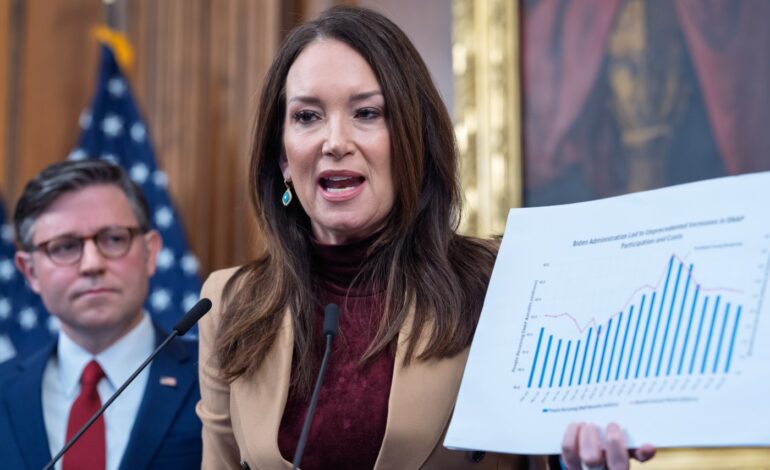

U.S. Agriculture Secretary Brooke Rollins has sparked significant controversy by threatening to cut federal funding for the Supplemental Nutrition Assistance Program (SNAP) to states that do not comply with her demands for sensitive data. This ultimatum, which affects states like New York, has raised serious ethical and legal concerns about the administration’s approach to hunger and food assistance.
New York Governor Kathy Hochul publicly criticized Rollins, questioning, “Why is the Trump administration so hellbent on people going hungry?” The USDA’s actions have been interpreted as an attempt to pressure states into providing information without adequate justification. Critics argue that Rollins’ threats are not only unreasonable but also potentially illegal, as the federal government lacks authority to deny SNAP benefits during the ongoing challenges posed by the pandemic.
The USDA’s justification for demanding this data centers around allegations of fraud within the program. However, there is little evidence to support claims that SNAP benefits are being misused on a large scale. The program is designed to assist only U.S. citizens and lawful permanent residents, and while isolated instances of misuse may occur, they do not reflect a systemic issue.
Concerns Over Privacy and Compliance
The insistence on data sharing has prompted concerns among state leaders about privacy and the protection of residents’ information. Critics assert that the administration’s approach mirrors its tactics in other areas, where claims of fraud or improper conduct are used to justify policies that may not have a factual basis. For instance, claims of widespread election fraud have been consistently debunked, yet they continue to inform the administration’s narrative.
Reports indicate that 29 states have already complied with the USDA’s directive, prompting calls from residents for transparency regarding these decisions. Many are questioning why their local leaders are willing to share sensitive information with a federal administration perceived as lacking respect for privacy and due process.
States that refuse to comply have expressed their commitment to safeguarding local interests. They argue that they should not be held hostage by threats of funding withdrawal every time the federal government seeks to exert control over local programs. This tension highlights an ongoing struggle for autonomy in the face of federal demands.
Legal Implications and Future Actions
Legal experts suggest that if the federal government continues to withhold funds illegally, it may ultimately face challenges in court. The implications of Rollins’ threats extend beyond the immediate impact on SNAP funding; they raise broader questions about federal authority and the treatment of public assistance programs.
As the situation unfolds, the dialogue surrounding the SNAP program continues to evolve. Advocates for food security are urging state officials to prioritize the needs of vulnerable populations over compliance with federal demands that may not have a legitimate basis. The outcome of this conflict could have lasting effects on the administration of nutritional assistance programs across the United States, as well as on the lives of millions who rely on these essential benefits.