


Airbus Reduces Delivery Target by 30 Due to A320 Fuselage Issue
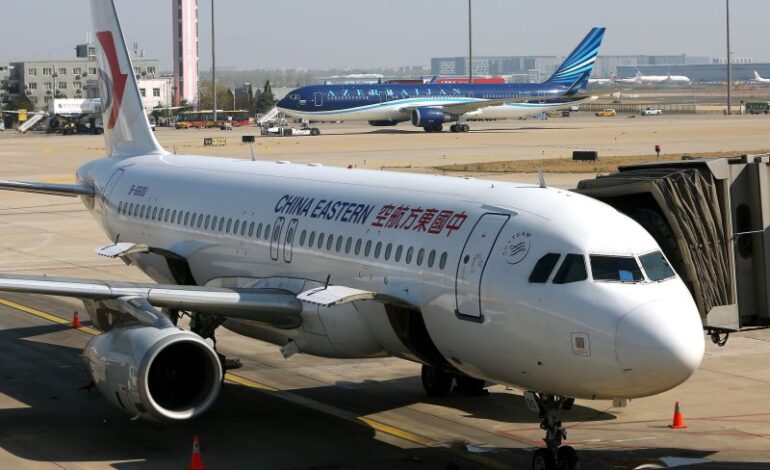

Airbus has revised its delivery target for 2023, lowering it by 30 aircraft after identifying a fuselage issue within its A320 line. The French aerospace manufacturer now expects to deliver approximately 790 commercial planes this year, down from the original goal of 820. This adjustment comes in the wake of ongoing inspections that affect a significant number of aircraft.
In a related incident, JetBlue experienced a serious flight disruption on October 31. A plane operating from Tampa, Florida, to Newark, New Jersey, lost altitude unexpectedly, resulting in the hospitalization of about 15 passengers. This emergency landing raised concerns about the airline’s operational safety, prompting further scrutiny of the aircraft involved.
The fuselage issue revolves around metal panels located behind the cockpit, specifically on each side of the two forward doors. Inspectors have determined that these panels do not meet the required thickness standards. According to a report from The Guardian, inspections are necessary for 628 aircraft, which includes 168 already in service, 245 on assembly lines, and 215 in earlier production stages.
Airbus officials have reassured stakeholders regarding flight safety. An Airbus source stated, “The source of the issue has been identified, contained, and all newly produced panels conform to all requirements.” The company emphasized that this quality issue does not compromise the safety of the affected aircraft. Instead, only inspections will reveal which planes may have panels with quality concerns and what corrective measures are required.
The company’s stock has seen significant fluctuations, with shares dropping by over 6.5% in the past week following the announcement of the delivery target adjustment and the fuselage issue. The combined impact of these challenges highlights the ongoing complexities Airbus faces in maintaining its production schedules while ensuring the safety and reliability of its aircraft.
As the situation evolves, Airbus will likely continue to monitor the implications of these inspections and their effects on delivery timelines. The aerospace industry remains a critical sector, and any disruption can have widespread repercussions for airlines, passengers, and the broader economy.