
African Leaders Demand Colonial Crimes Recognition, Reparations NOW

UPDATE: African leaders are urgently calling for the recognition of colonial-era crimes and reparations during a high-stakes conference in Algiers, Algeria. This critical meeting is aimed at advancing a resolution from the African Union that demands justice for victims of colonialism, highlighting the pressing need for accountability and restitution.
Algerian Foreign Minister Ahmed Attaf emphasized that Algeria’s brutal history under French colonial rule serves as a stark reminder of the necessity for compensation and the return of stolen properties. He stated, “Africa is entitled to demand the official and explicit recognition of the crimes committed against its peoples during the colonial period,” underscoring the ongoing repercussions of colonialism that have left African nations marginalized and impoverished.
The urgency of this matter is amplified as international agreements already condemn practices like slavery and torture, yet colonialism remains inadequately addressed. Attaf pointed out that the United Nations Charter lacks explicit references to colonialism, a gap that was a focal point at the African Union’s February summit. Leaders are striving to define colonization as a crime against humanity and establish a unified stance on reparations.
The economic toll of colonialism in Africa is staggering, with estimates reaching into the trillions of dollars. European powers profited immensely from Africa’s resources—gold, rubber, diamonds—while local populations suffered. In recent years, African countries have increased demands for the return of looted artifacts still housed in European museums, with voices like Attaf’s calling for tangible action, not just symbolic gestures.
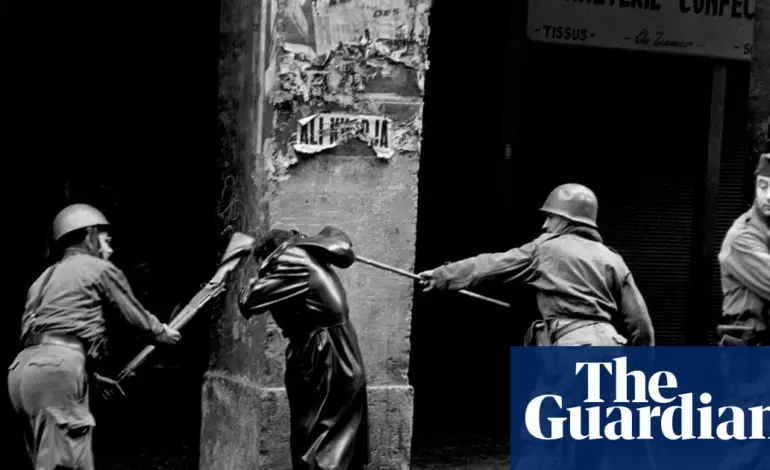
The decision to hold this pivotal conference in Algeria is no coincidence. Algeria’s fight against French colonialism, which lasted from 1954 to 1962, and the brutal tactics employed during that period serve as a historical backdrop for the current discussions. Attaf remarked, “Our continent retains the example of Algeria’s bitter ordeal as a rare model, almost without equivalent in history.”
Moreover, Attaf linked Algeria’s colonial experience to the ongoing issue of Western Sahara, calling it “Africa’s last colony.” He praised the indigenous Sahrawis in their quest for self-determination, emphasizing that their struggle is supported by international law and UN doctrine.
The political sensitivity surrounding colonialism remains a critical issue, particularly in relation to France. President Emmanuel Macron previously acknowledged aspects of colonial history as crimes against humanity but has refrained from issuing a formal apology, suggesting that Algeria should not dwell on past injustices. This delicate balance continues to shape Algeria’s diplomatic approach.
As the conference progresses, voices like Mohamed Arezki Ferrad, a member of Algeria’s parliament, stress that reparations must extend beyond mere apologies. He highlighted the importance of returning looted artifacts, such as the Baba Merzoug cannon, which remains in France despite calls for its return.
In a parallel movement, Caribbean nations are also intensifying calls for reparations linked to their colonial past. A delegation is preparing to advocate for recognition of the enduring legacy of colonialism and reparative justice from former colonizers, which includes financial reparations.
The demands emerging from Algeria’s conference are not just historical grievances; they are urgent calls for justice that resonate deeply within the African continent and beyond. As these discussions unfold, the world watches closely, awaiting concrete actions that could reshape the narrative of colonial accountability.
Stay tuned for more updates as this developing story continues to evolve, with significant implications for international relations and historical justice.