


Memory Crisis Deepens: DRAM Prices to Surge Past 2028
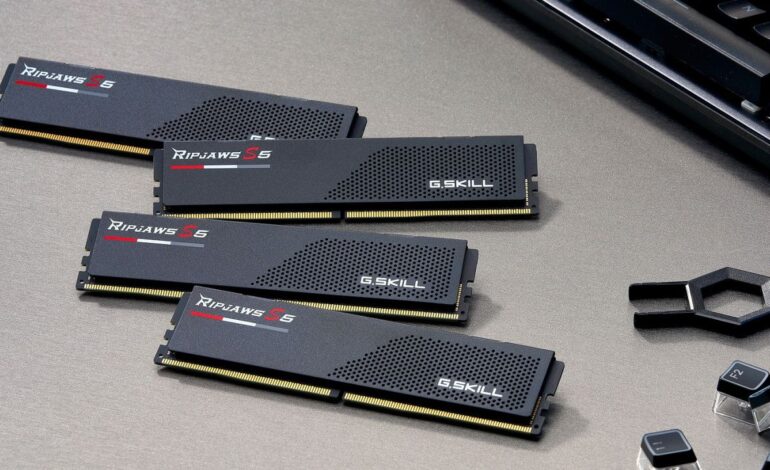

URGENT UPDATE: The ongoing memory supply crisis is set to escalate, with new reports indicating that Samsung and SK Hynix will *not* expand DRAM production sufficiently to meet soaring demand. Industry analysts now predict that the crisis could extend through 2028 and potentially even longer.
In a recent investor relations call, a Samsung representative confirmed the company’s strategy to prioritize long-term profitability over rapid production expansion. “We will minimize the risk of oversupply through a capital expenditure strategy that balances customer demand and pricing,” the representative stated. Currently, Samsung is only able to fulfill 70% of DRAM orders, signaling a significant supply gap.
Meanwhile, SK Hynix is grappling with similar challenges. Although they are planning to ramp up investments in production, they warned that meeting demand will be increasingly difficult. “We’re facing [what has] never happened before: HDD, DRAM, HBM, NAND… all in severe shortage in 2026,” said Silicon Motion’s CEO. This stark reality comes as memory prices are projected to rise by up to 30% due to unprecedented demand driven by AI technologies.
As the situation intensifies, Samsung has made it clear that they are hesitant to enter into long-term contracts with customers, who are eager to secure prices amid rising costs. “Customers want long-term contracts of several years, but Samsung Electronics does not want to tie up volumes with a specific customer in a situation where prices are rising rapidly,” the Samsung rep explained.
Despite the increase in production capacity, demand is outpacing supply. Trendforce estimates that memory supply will grow by 23% in 2026, while demand is expected to surge by 35%. This widening gap indicates that the memory market will remain volatile, keeping prices elevated.
Additionally, US-based Micron is gearing up to invest nearly USD $10 billion in a new DRAM facility in Japan. However, this new production will not materialize until the second half of 2028, further extending the timeline for relief in the market.
As these developments unfold, consumers and tech industries alike must brace for a prolonged period of high memory costs. The so-called “Dramurai” appear cautious about ramping up production, fearing a potential market collapse if the current AI-driven demand diminishes.
In summary, with supply shortages and rising prices persisting, experts warn that the only likely path to normalized memory prices would be a significant downturn in the AI market and a broader economic slowdown.
Stay tuned for more updates on this developing situation as it continues to impact consumers and businesses globally.