
Microsoft Faces User Trust Crisis as Windows 11 Struggles
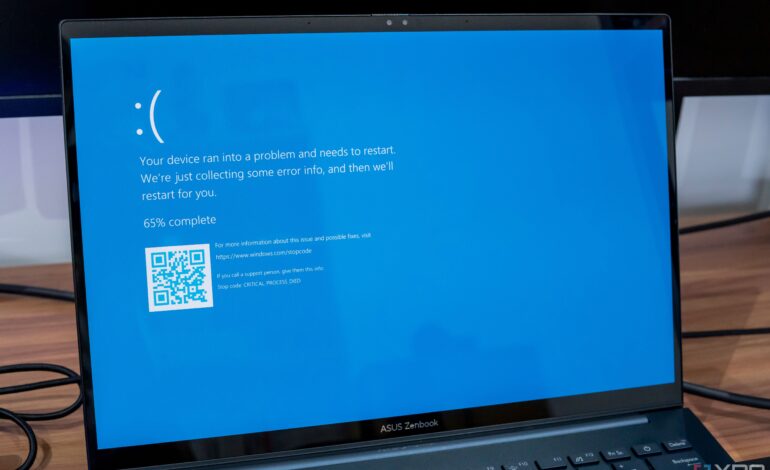

Microsoft is grappling with significant issues surrounding its latest operating system, Windows 11, which has failed to deliver the reliable experience users expect. Launched in October 2021, Windows 11 has not captured the anticipated excitement, largely due to stringent hardware requirements and a series of persistent bugs. As a result, many users remain loyal to the older Windows 10, which has now reached the end of its general support.
Despite Windows 11 being in the market for over four years, user adoption has stagnated. According to data revealed by Dell, approximately 1 billion PCs still operate on Windows 10, suggesting that Microsoft faces a considerable hurdle in encouraging users to upgrade. The adoption rate of Windows 11 is notably trailing behind its predecessor by about 10 percentage points at a similar point in their lifecycles.
Core Features Under Fire
Recent updates have exacerbated problems with Windows 11’s core functionalities. Microsoft acknowledged in a support bulletin that “major Windows 11 core features,” including the Start Menu, Taskbar, File Explorer, and Settings app, have been unreliable. These issues originated from a problematic XAML component introduced in a July 2025 update, leading to crashes and failures in essential features. Users have reported frequent disruptions, with the Start Menu failing to open and the Settings app refusing to launch.
The company’s temporary fixes have involved manual processes like re-registering app packages via PowerShell, but such stop-gap measures have done little to restore user confidence. As of late 2025, the operating system remains in a state that many users find unacceptable for a product that is expected to represent Microsoft’s flagship technology.
The Impact of AI Development
Compounding these issues is Microsoft CEO Satya Nadella‘s recent announcement that up to 30% of the code produced by the company is now AI-generated. While this may enhance development speed, there are growing concerns that this shift could be contributing to the software’s instability. Observers note that the timing of these software failures aligns closely with an increased focus on AI, prompting speculation about the quality of code produced by AI tools.
In addition to facing technical challenges, Microsoft has been criticized for aggressively integrating features that many users did not request. The Copilot assistant, initially positioned as optional, has become a persistent element within the operating system, leading to frustration among users who prefer a more streamlined experience. Basic functionalities from Windows 10 remain absent or poorly implemented in Windows 11, further alienating potential adopters.
The introduction of advertisements within Windows 11 has also drawn criticism. What began as simple suggestions in the Start Menu has evolved into persistent promotional content, which some users perceive as a breach of trust for a product they have paid for. This monetization of the operating system has exacerbated user discontent, making the transition to Windows 11 even less appealing.
As Windows 10 reaches its end-of-life in October 2025, Microsoft must address these challenges head-on. The company has announced plans to evolve Windows into an “agentic” operating system with even more AI features. However, many users remain skeptical, questioning whether the system can reliably perform basic tasks.
Microsoft is at a critical juncture. To regain user trust, the company may need to consider a fundamental shift in priorities. This might involve implementing a feature freeze for new AI integrations until core functionalities are stabilized. Transparent communication about ongoing bugs and realistic timelines for fixes could also help restore confidence.
Ultimately, users are not asking for revolutionary changes; they simply want an operating system that works reliably. The basic expectation is that the Start Menu opens consistently, and the File Explorer functions without crashing. As Microsoft strives to innovate, it must first ensure that its flagship operating system can fulfill its primary role: to operate smoothly and effectively. Failure to address these fundamental issues risks alienating a substantial user base that may seek alternatives if confidence in Windows 11 continues to erode.